
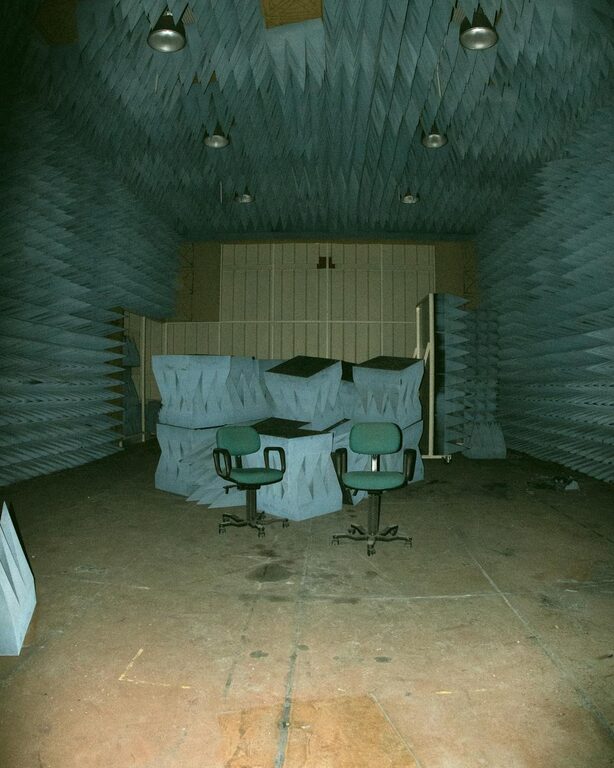
Creating a quiet and peaceful home environment can significantly improve your comfort, focus, and overall well-being. Whether you live in a busy city apartment, a noisy suburb, or simply want to enjoy more tranquility, reducing noise at home doesn’t have to be complicated or expensive. In this post, we’ll explore simple, practical ways to cut down on noise and create a calmer, more relaxing living space.
Why Is Reducing Noise at Home Important?
Noise isn’t just an annoyance—it can affect your sleep quality, concentration, and stress levels. Even everyday sounds like traffic, neighbors, or household appliances can add up and disrupt your peace. By taking steps to reduce noise, you can enjoy a quieter home that supports relaxation, better sleep, and productivity.
Identify the Sources of Noise
Before diving into solutions, it’s helpful to understand where noise is coming from:
– Outside noise: Traffic, construction, neighbors, pets, and street activity.
– Inside noise: Appliances, electronics, footsteps, conversations, and pets.
– Structural noise: Thin walls, floors, or windows that don’t block sound well.
Once you know your main noise sources, you can target the right solutions.
Simple Ways to Reduce Noise at Home
1. Use Soft Furnishings to Absorb Sound
Hard surfaces reflect sound waves, creating echoes and amplifying noise. Adding soft materials helps absorb sound and reduce echo inside your rooms.
– Rugs and carpets: Place rugs or carpets on floors, especially on hardwood or tile floors, to soften footsteps and absorb noise.
– Curtains and drapes: Heavy curtains made from dense fabrics block some outside noise and reduce echo inside.
– Cushions and upholstered furniture: Use comfy sofas, armchairs, and plenty of cushions.
2. Seal Windows and Doors
Windows and doors often let in the most outside noise. You don’t need to replace them to improve soundproofing.
– Weatherstripping: Apply weatherstripping tape around door and window frames to seal gaps where sound can leak through.
– Door sweeps: Install door sweeps on the bottoms of doors to block noise from hallways or outside.
– Window inserts: Consider acrylic or glass inserts designed to add an extra layer of sound insulation on existing windows.
3. Rearrange Your Space for Noise Reduction
A smart room layout can make a big difference.
– Place bookshelves along shared walls: Filled bookshelves act as extra sound barriers.
– Avoid placing beds or desks against noisy walls: Position your resting and working areas away from windows or walls facing busy roads.
– Use room dividers: Folding screens, curtains, or furniture can help block noise in open floor plans.
4. Add Soundproofing Materials
If you want to go a step further, there are affordable soundproofing options you can add yourself.
– Acoustic panels: These foam or fabric-covered panels reduce echo and absorb sound waves. Place them on noisy walls or ceilings.
– Draft stoppers: Use draft stoppers at the base of doors to further block sound leaks.
– Soundproof rugs: Look for rugs made with sound-absorbing materials or add a thick underlay beneath existing rugs.
5. Manage Noises Inside Your Home
Not all noise comes from outside! Reducing sounds within your home can improve overall calm.
– Use soft pads under furniture: Felt pads or rubber feet on chairs and tables reduce scraping sounds on hard floors.
– Close doors to noisy rooms: Keep doors closed when possible to contain everyday noise.
– Maintain appliances: Regularly servicing fans, HVAC systems, or refrigerators can prevent them from becoming louder over time.
– White noise machines or fans: These create a consistent, gentle background sound that helps mask disruptive noises.
6. Incorporate Plants for Natural Sound Absorption
Houseplants don’t just brighten up your home—they can also reduce noise levels by absorbing sound waves.
– Larger leafy plants or those with dense foliage are particularly good at buffering sound.
– Arrange several plants near windows or noisy corners to help absorb exterior noise.
Tips for Maintaining a Quiet Home
To keep your home peaceful, consider these ongoing practices:
– Encourage household members to use headphones when enjoying music or TV.
– Set “quiet hours” to limit loud conversations or activities.
– Use soft-close features on drawers and doors to prevent slamming noises.
– Regularly check for new gaps or cracks around windows and doors and seal them.
When to Consider Professional Help
If noise problems persist or come from structural issues, consulting a professional may be worthwhile. Acoustic consultants and contractors can recommend materials and modifications for more effective soundproofing, such as double-glazed windows, insulation upgrades, or wall reinforcements.
—
Reducing noise at home doesn’t have to involve major renovations or expensive equipment. With some attention to soft furnishings, smart sealing, room layout, and everyday habits, you can create a quieter, more comfortable living environment. Enjoying a peaceful space at home has a positive impact on your mood, health, and productivity—all within your reach. Start with a few of these simple tips and notice the difference noise reduction can make!